
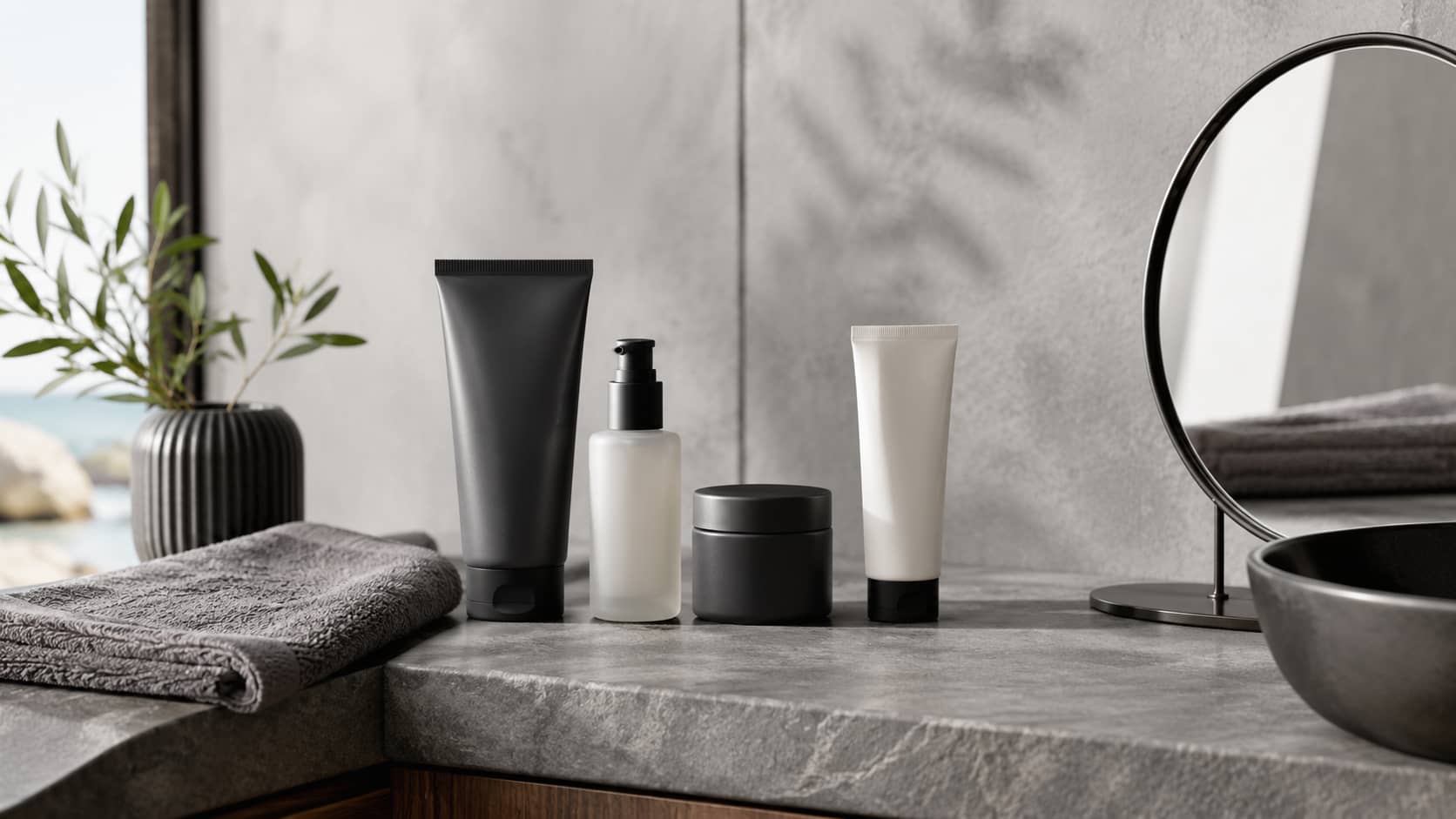
Summer skincare does not require a shelf of specialised products. Heat, sweat, higher ultraviolet exposure, swimming, and frequent shaving can change how your skin feels, but the basic job remains the same: clean without stripping, moisturise according to need, and protect exposed skin from the sun.
The American Academy of Dermatology recommends a simple approach built around cleansing, moisturising, and protection. That is a useful starting point because it focuses on functions rather than marketing categories.
Morning: clean only as much as necessary
If your face feels oily when you wake up, use a gentle cleanser and lukewarm water. If it feels comfortable and you cleansed the night before, a water rinse may be enough. Harsh scrubs and strongly fragranced cleansers can create irritation without making skin meaningfully cleaner.
After washing, pat rather than rub your face dry. Men who shave in the morning may prefer to shave after a shower, when facial hair is softer. Use a lubricating cream or gel and avoid repeatedly passing the blade over the same area. Irritated skin becomes more sensitive to sweat, friction, and sun.
Use moisturiser according to your skin, not the season
Hot weather does not mean every man should stop using moisturiser. Oily skin can still become dehydrated, especially after frequent cleansing, swimming, or exposure to air conditioning. The solution is often a lighter lotion or gel rather than no moisturiser at all.
Dry skin may still need a richer cream on specific areas. Apply a small amount while the skin is slightly damp. This helps reduce tightness without creating a heavy layer. If a product leaves your face visibly greasy after several minutes, use less or choose a lighter formula.
Sunscreen is the non-negotiable step
Use a broad-spectrum sunscreen on exposed skin. The American Academy of Dermatology advises SPF 30 or higher, while the World Health Organization recommends sun-protection measures when the UV Index reaches 3 or above. Sunscreen works best as one part of a wider strategy that includes shade, clothing, hats, and sensible timing.
Apply enough to cover the face, ears, neck, and any exposed scalp. Do not rely on the small amount included in a tinted moisturiser unless the product is applied in the quantity needed for its stated protection. Reapply after swimming, heavy sweating, towel drying, or according to the label.
Evening: remove the day without overcorrecting
Cleanse in the evening to remove sunscreen, sweat, pollution, and excess oil. A gentle cleanser is usually sufficient. Double cleansing can be useful for heavy, water-resistant products, but it is not mandatory for everyone. Your skin should feel clean, not squeaky or tight.
Follow with moisturiser. This is also the safest time to introduce one treatment product if you have a specific goal, such as salicylic acid for clogged pores or a retinoid for acne and signs of ageing. Introduce one product at a time, use it less frequently at first, and stop if persistent irritation develops.
Adjust after exercise, swimming, and shaving
After exercise, rinse or cleanse sweaty skin reasonably soon, particularly if you are prone to breakouts. Change out of damp clothing rather than leaving sweat and friction against the skin. After swimming, rinse away chlorine or salt water and reapply moisturiser and sunscreen as needed.
For shaving irritation, use a sharp, clean blade and shave in the direction of hair growth. Multi-blade razors can shave very close, which may worsen ingrown hairs for some men. A single- or double-blade razor, an electric trimmer, or less frequent close shaving may be more comfortable.
Do not treat every breakout as a cleansing failure
Washing more aggressively is rarely the answer to summer breakouts. Sweat itself is not dirt, and excessive cleansing can damage the skin barrier. Look instead at repeated friction from hats, helmets, collars, phone screens, and unwashed pillowcases.
Persistent acne, painful bumps, spreading rash, or skin changes that do not settle deserve professional assessment. Skincare advice can help with routine maintenance, but it should not replace diagnosis or treatment from a qualified clinician.
Build a routine you can repeat
A practical kit contains a gentle cleanser, suitable moisturiser, broad-spectrum sunscreen, and shaving product if needed. Keep the routine beside items you already use so it becomes automatic. A complicated system followed twice a week is less useful than a simple one followed consistently.
Your clothing can also reduce exposure. A lightweight hat, breathable long sleeves, and the thoughtful choices in a summer capsule wardrobe can support sun protection without making every day feel like a medical procedure. The aim is not perfect skin. It is healthy, comfortable skin protected from avoidable damage.
Patch-test unfamiliar products
Apply a small amount to a limited area for several days before using a new product across the face. This is especially sensible with fragranced products, acids, retinoids, and formulas advertised as intensive. Stop if you develop ongoing burning, swelling, or a spreading rash. A routine should become calmer as it settles, not more uncomfortable.